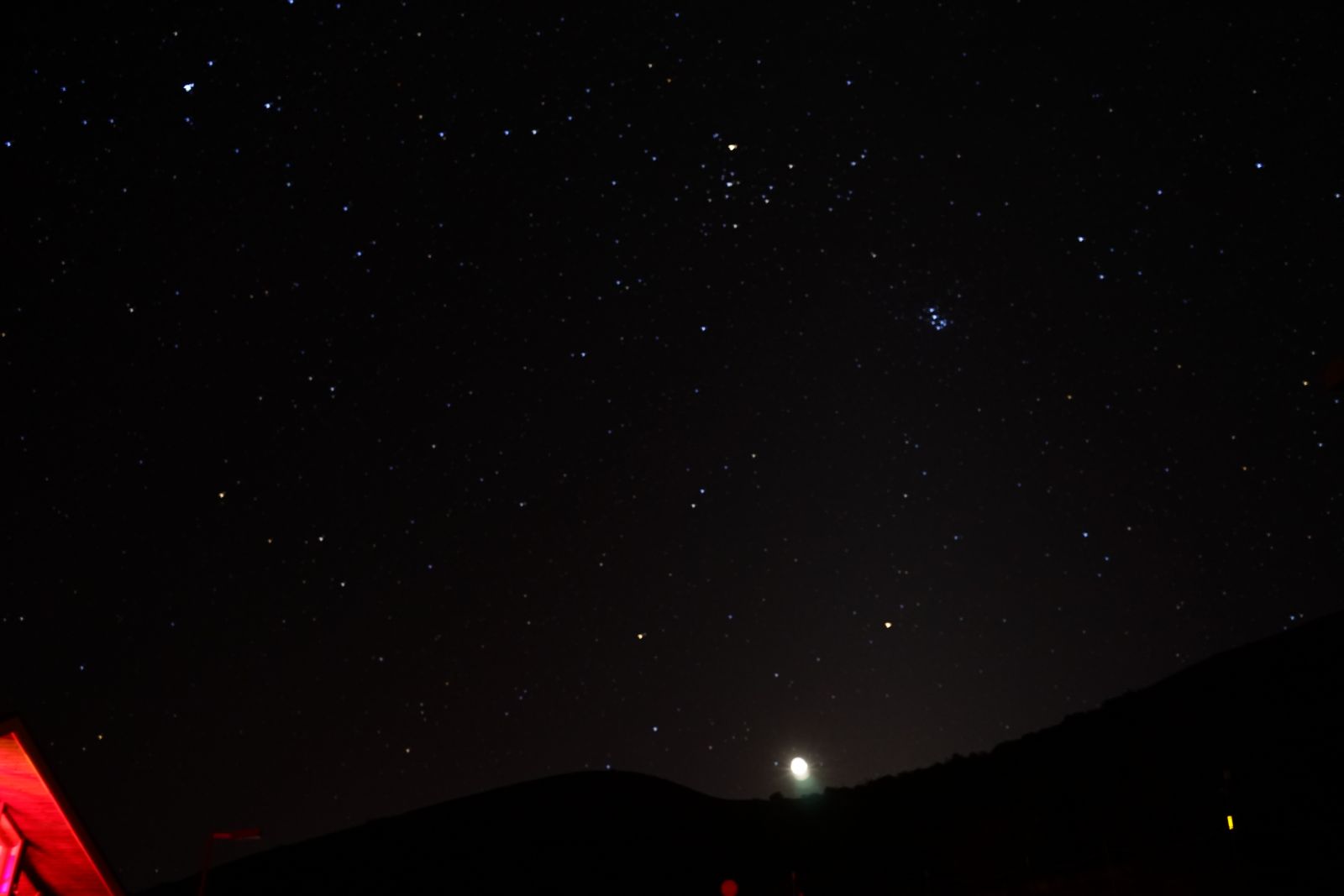
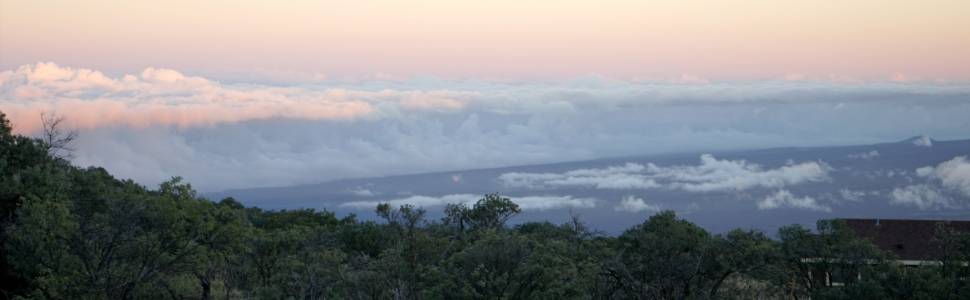
Located in the center of the Pacific Ocean, far from continents and air pollution, the Big Island of Hawaii has the world’s clearest skies. So clear, in fact, that many of the world’s most powerful telescopes are located on the summit of Mauna Kea, nearly 14,000ft above sea level.
Mauna Kea
Built by volcanic eruptions over the past half million years, Mauna Kea is one of the tallest island mountains in the world. Despite being located in the warm tropics, the mountain’s highest elevations receive ample snowfall each winter. Mauna Kea’s summit is so high, in fact, that it stands above more than half of the earth’s atmosphere, giving telescopes a near uninterrupted view of space.
Mauna Kea Visitors Center
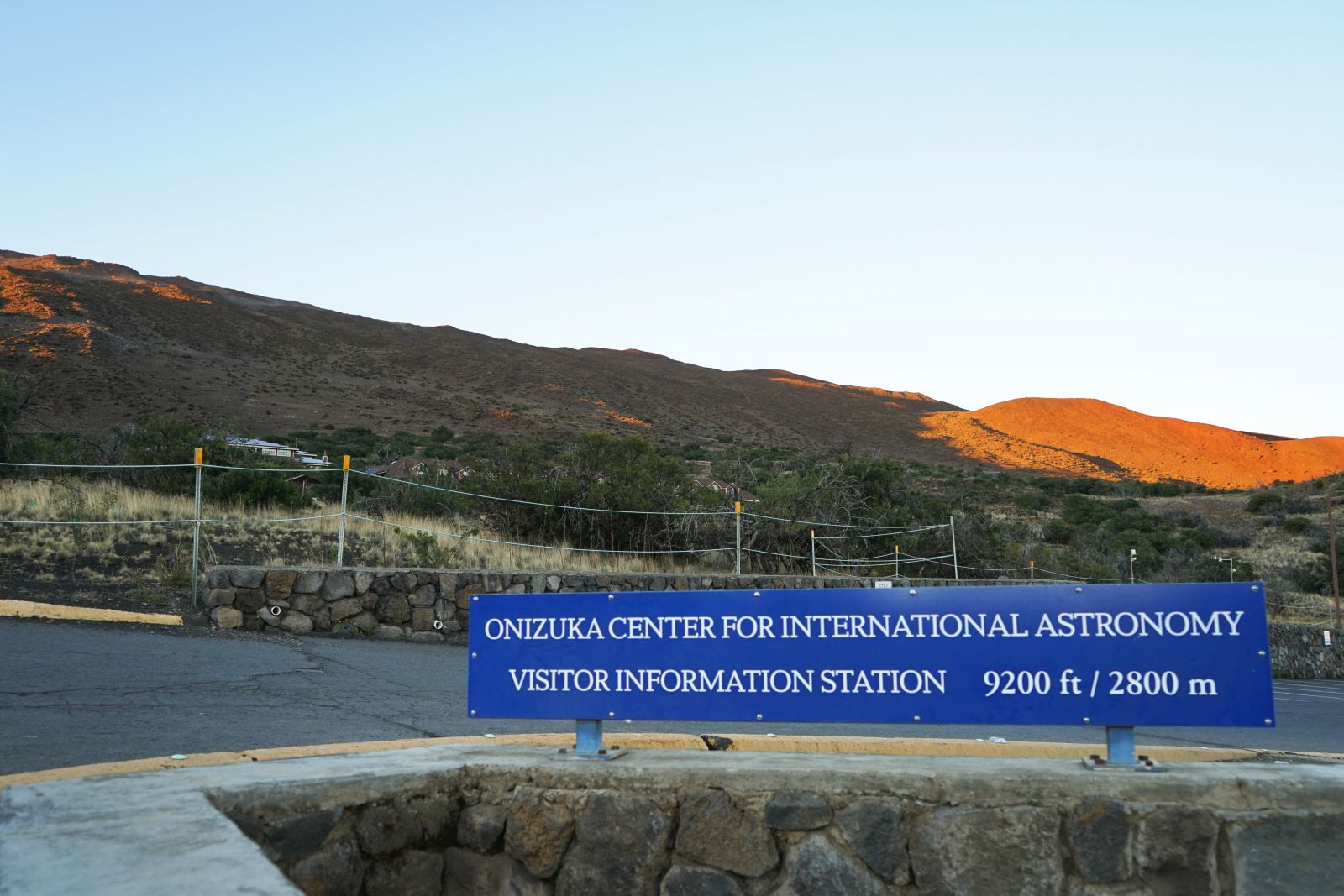
Visitors to the Big Island can stargaze along with astronomers at the Mauna Kea Visitor Information Station (VIS) free of charge. Located at the 9,200ft contour, the VIS is open every day of the year between 9am and 9pm.
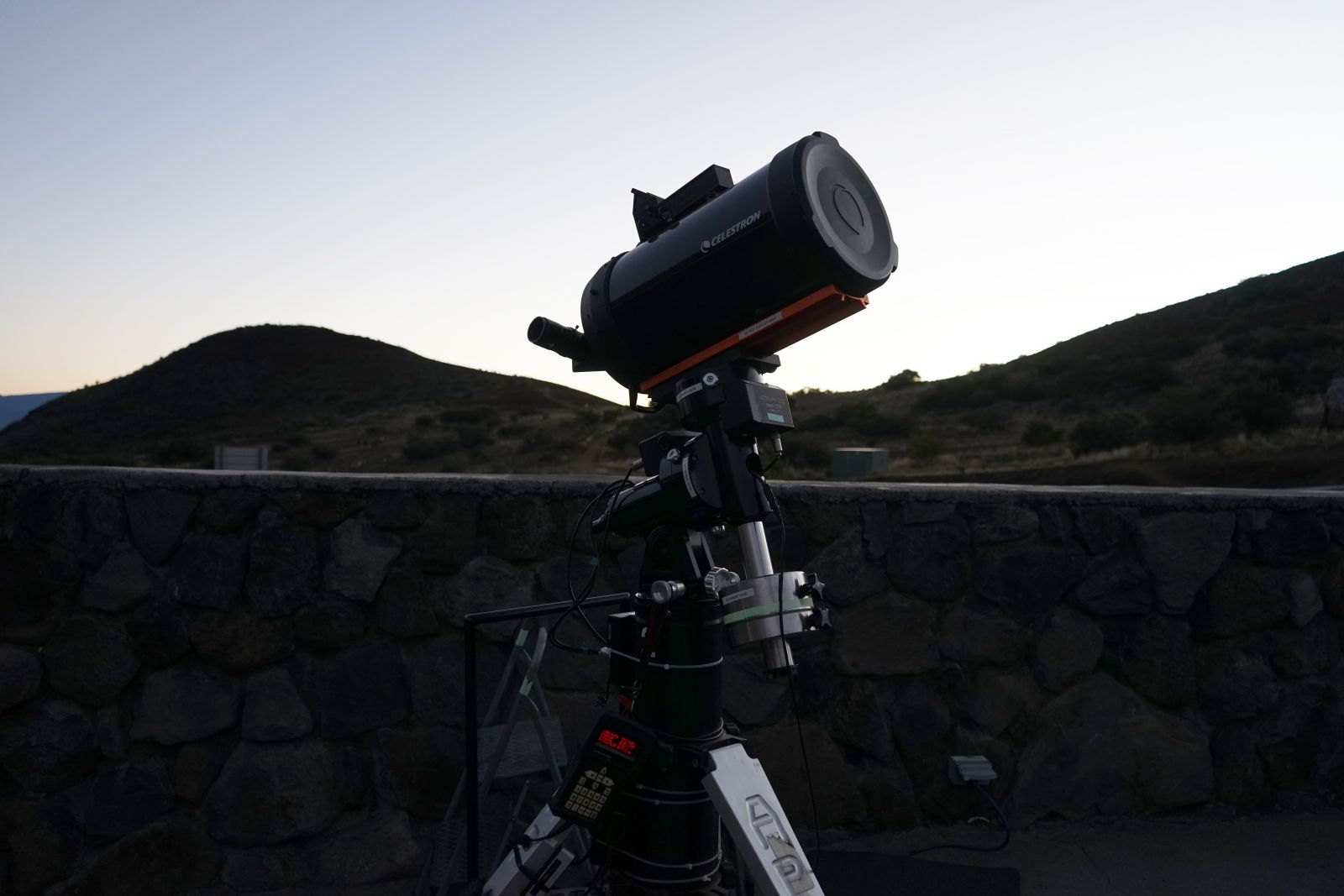
The center’s main attraction is after sunset, when the Stargazing program opens to visitors. The program, which is welcome to all ages, allows people the chance to see galaxies and other space features with the aid of pre-calibrated telescopes. Common sights include the spiraling arms of the Andromeda Galaxy.
If you plan to stop by the VIS, be sure you have enough gas in your vehicle to drive at least 50 miles roundtrip as there are no service stations on the mountain. Also, due to the extreme elevation, certain people may experience symptoms of altitude sickness, although this is not too common. Sweatshirts are also necessary, particularly during prime viewing hours in the early evening, as it can get chilly.